 digital marketing
Insurance agency marketing: how to get more clients online
What leads cost our insurance clients in 2026, Meta's rules for insurance ads, the campaign structure we use and what we learned marketing a trucking insurance agency since 2022.

Most advice on insurance agency marketing stops at "post consistently and run some ads". That is not a strategy. Insurance has its own math, its own ad rules and a buyer who compares agents for weeks. This guide covers what we actually do for insurance clients, from Meta Ads to Google Ads: how to calculate what a lead is worth, how Meta's rules for insurance ads change targeting, how to structure campaigns and why the first five minutes after a quote request matter more than the ad itself.
01Start with the math: what a lead is worth to you
Before choosing channels, calculate the most you can pay for a lead and still make money. Two numbers are enough: what one bound policy earns your agency, and how many leads it takes to bind one.
Maximum cost per lead
Example with round numbers. Put in your own commission and close rate. Everything below the result is profit, and renewals make each client worth more in year two and three.
Now compare that with real numbers. Here is what our insurance clients paid on average in 2026:
Google SearchOur clients · 2026
- Cost per lead
- $52.11
- Cost per click
- $2.37
- Conversion rate
- 4.55%
Meta: Facebook & InstagramOur clients · 2026
- Cost per lead
- $19.17
- Cost per click
- $0.60
- Click-through rate
- 1.46%
Averages across insurance agencies we run ads for. Your numbers depend on the line of insurance, location and offer.
We will calculate it for your agency and show which channel can hit it. Free 30-minute call.
Compare these numbers with the break-even example above. At $120 per lead, a $52.11 lead from Google and a $19.17 lead from Meta both leave a healthy margin on every policy. The two channels do different jobs: Meta brings more leads for the same budget, while Google brings people who are already searching for a quote and are closer to buying. On Google about 1 in 22 clicks becomes a lead, so the landing page and the offer matter as much as the ads. Most agencies need both, in a ratio that depends on the line of insurance.
02Meta's rules for insurance ads in 2026
In 2026, every Meta campaign for insurance in the US has to run under the Special Ad Category for financial products and services. The rule has been in force since January 14, 2025, and campaigns that should use it and do not can be rejected. Many agencies still build campaigns the old way and wonder why ads are declined or results dropped.
You cannot target "men 30–55" or exclude age groups. The ad itself has to speak to the right person.
Zip code targeting is gone. Locations are set by city, state or a radius of at least 15 miles.
Many interest and demographic options are unavailable, and lookalike audiences cannot be used.
Retargeting video viewers and site visitors, and feeding lead quality back to Meta, become the main levers.
What this means in practice: with narrow targeting gone, the creative does the targeting. An ad that opens with "Owner-operator with your own MC number?" filters the audience better than any interest setting could.
03The campaign structure we use for insurance agencies
- One Meta Ads campaign per line of insurance. Commercial truck, home, auto and life have different buyers, prices and questions. Mixing them in one campaign makes it impossible to see what a lead costs for each.
- Creatives built around one situation. "Your cargo limit is too low for this broker", "Just got your MC number?", "Renewal in 30 days?". Each ad speaks to one moment when people actually shop for coverage.
- A lead form that qualifies. We use Meta's "Higher intent" form with a review step and 2–3 questions the agent needs anyway: type of coverage, number of vehicles, current renewal date. Fewer leads, but far more of them turn into quotes.
- Consent for calls and texts. The form includes a clear line that the person agrees to be contacted by phone and text, so follow-up stays compliant.
- Instant delivery to the agent. Leads go straight to the CRM, email or phone of the agent on duty, with an automatic text reply in the first minute.
- Quality fed back to Meta. When a lead becomes a quote or a bound policy, that status is sent back through the Conversions API. Meta's "Conversion leads" optimization then looks for more people like the ones who actually bought, not just the ones who filled in the form.
04Speed to lead: the cheapest way to double results
An insurance lead often requests quotes from several agencies at once. The one who calls first has a clear advantage, and the research agrees:
- Lead Response Management study (Dr. James Oldroyd, InsideSales): leads contacted within 5 minutes were 21 times more likely to be qualified than leads contacted after 30 minutes.
- Harvard Business Review, 2011: companies that responded within an hour were nearly 7 times more likely to qualify a lead than those that waited even one more hour.
- AgencyZoom research on insurance agencies: only about 6% of agencies reached new leads within 5 minutes, and only around 30% within the first hour.
In other words, most agencies lose leads they already paid for. Before raising the ad budget, set up instant notifications, an automatic text and a rule that every new lead gets a call within 5 minutes during business hours.
05Google Ads: catching people who are already searching
Search ads cost more per click, but the intent is higher. The key is to pay only for searches that lead to a policy:
"commercial truck insurance quote", "cargo insurance for owner operator", "home insurance agent near me". These are the searches closest to a purchase.
Exclude "jobs", "salary", "license exam", "claim phone number" and the names of large carriers. Otherwise a big share of the budget goes to people who will never buy from an agency.
Many insurance buyers prefer to call, and a strong Google Business Profile brings calls from Maps too. Call assets and an ad schedule matched to the hours your agents answer the phone turn clicks into conversations.
One page for truck insurance, another for home. A short form, a visible phone number and answers to the three most common questions.
More on how we run it on our Google Ads page.
06Trucking insurance: a niche with its own rules
Commercial truck insurance is one of the most competitive lines to market, and we have worked in it since 2022. A few things make it different:
Under FMCSA rules (49 CFR Part 387), for-hire carriers of general freight need at least $750,000 in liability coverage, and the insurer files proof (BMC-91 or BMC-91X) before the carrier can run interstate.
According to FMCSA data analyzed by FTR, roughly 4,500 to 5,500 new carrier authorities were granted per month in 2025. Every one of them needs coverage before the first load.
Brokers and shippers often require more than the federal minimum, especially for cargo. "Your limit is too low for this load" is one of the most effective ad angles in the niche.
Owner-operators are on the road, read on their phones and distrust generic offers. Short videos with a real agent explaining one topic work far better than banners.
For our client UltraCoverage, the content plan is built on the questions truckers actually ask: deductibles, cargo limits, loss run reports and workers' compensation. A few examples:
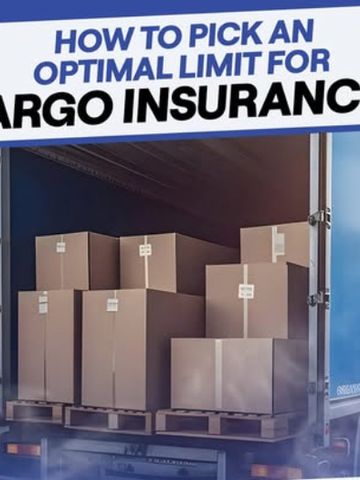
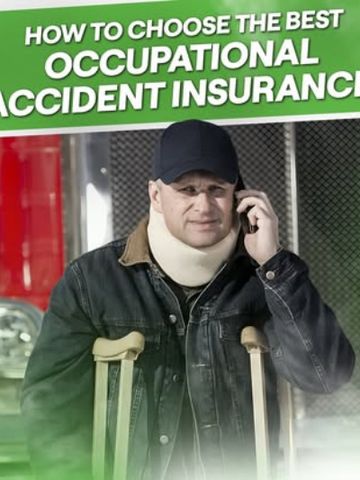

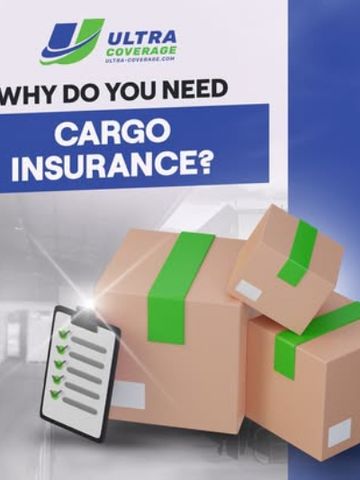
07Case studies
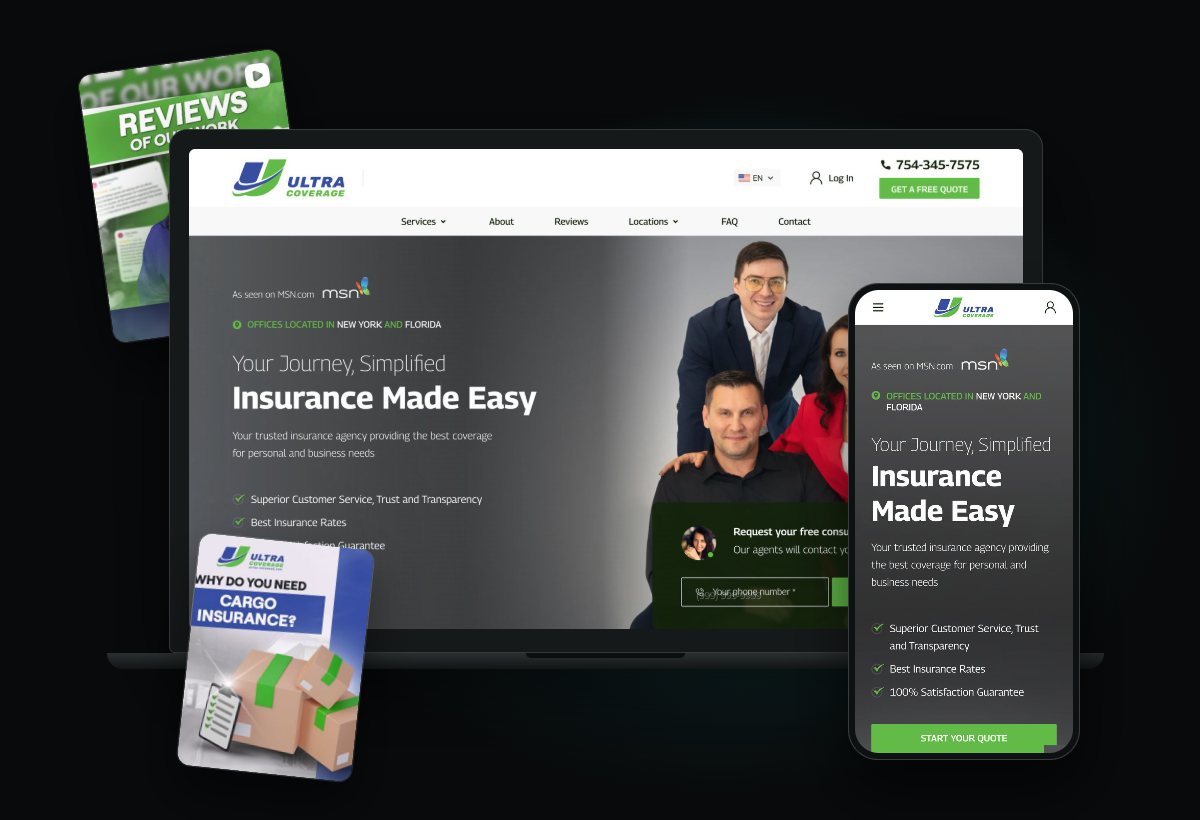 Trucking insurance
Since 2022 we have run UltraCoverage's Instagram, Facebook and Meta Ads: Reels with the agency's agents, a recognizable brand style and campaigns that reach truckers shopping for coverage.
 Trucking compliance
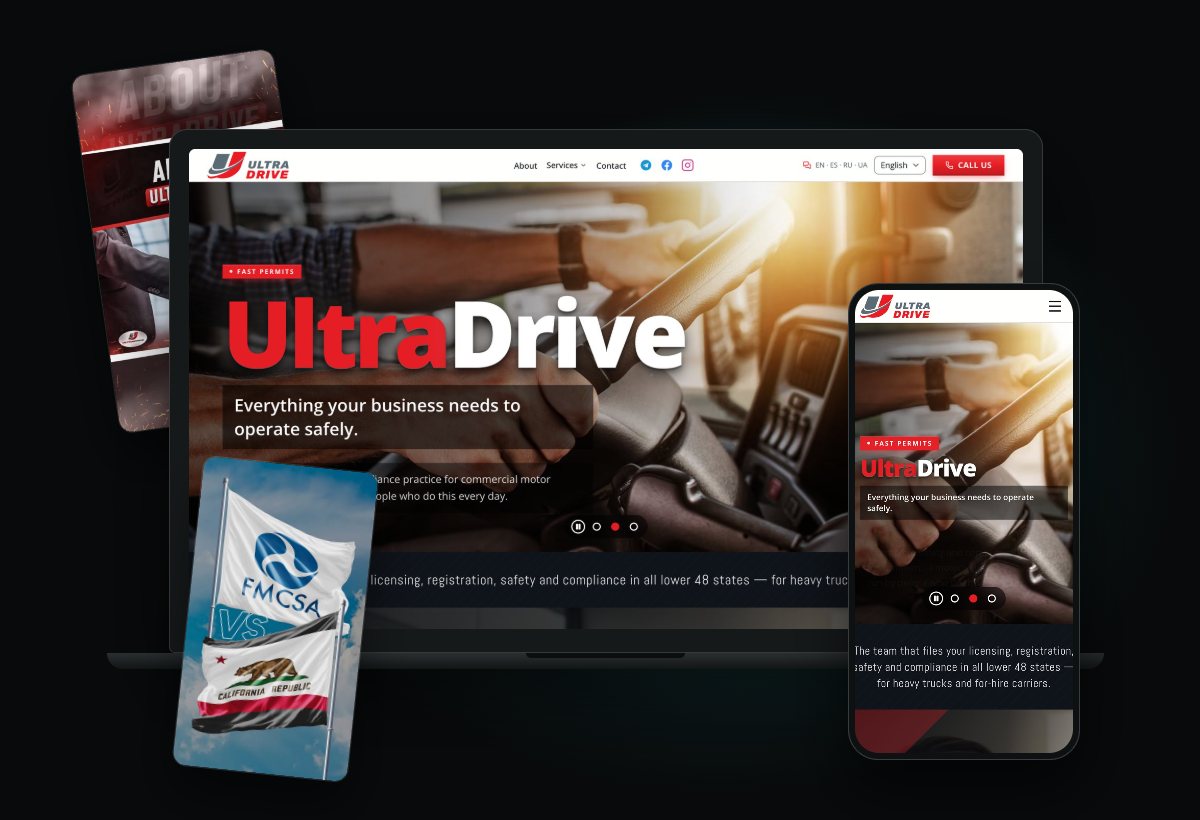
Same audience, neighboring niche. Since 2023 we have run UltraDrive's social media and Meta Ads, and social media now brings in new carriers every month.
08Compliance checklist before you launch
- Special Ad Category selected for every Meta campaign that promotes insurance.
- State advertising rules checked. Some states, California among them, require the agent's license number in advertising.
- No promises you cannot keep. Avoid "lowest price guaranteed" or specific savings unless you can prove them.
- Consent captured in every form before calling or texting a lead.
- Carrier names and logos used only as your agreements with those carriers allow.
09How much insurance agency marketing costs
The ad budget is paid separately to Meta or Google. We calculate it together with you from your target cost per lead before launch. See all prices on our services page, or read more about Meta Ads and social media management.
10Frequently asked questions
What is the best marketing for an insurance agency?
A mix of reach and intent. Facebook and Instagram ads bring new people at a lower cost per lead, Google Search catches people already looking for a quote, and expert content on social media builds the trust that makes both convert. The right ratio depends on your line of insurance and your target cost per lead.
How much does an insurance lead cost in 2026?
Across our insurance clients in 2026, a lead cost $52.11 on average on Google Search and $19.17 on Facebook and Instagram. Your real cost depends on the line of insurance, location and offer, which is why we calculate a target before launch.
Can insurance agents target by age on Facebook in 2026?
No. Since January 14, 2025, insurance ads in the US run under Meta's Special Ad Category for financial products and services, which removes age and gender targeting, zip code targeting and lookalike audiences. The creative and your own data do the targeting instead.
How soon will an insurance agency get leads?
With a properly prepared launch, the first leads usually come in on the 3rd–5th business day after ads go live. Optimization then takes a few weeks.
Do you work with insurance agencies outside Miami?
Yes. We are based in Miami and work with agencies across the US. Our insurance client has offices in Florida and New York. Local agencies in Miami can also read our guide to social media marketing for service businesses.
Can you create insurance content and ads in Spanish?
Yes. We create content and ads in English and Spanish, as well as several other languages.